Spondylolisthesis

Spondylolisthesis is a spinal condition where one vertebra slips forward or backward relative to the vertebra below it. This displacement can cause pain, stiffness, or nerve compression. Spondylolisthesis can be categorized into different types, including degenerative, isthmic, traumatic, or congenital, depending on the underlying cause.
Treatment options for spondylolisthesis depend on factors such as the severity of symptoms, the degree of slippage, and the overall health of the individual. Treatment may include:
- Conservative therapies: These may include rest, activity modification, and therapeutic exercises. Therapeutic exercises aim to strengthen the muscles supporting the spine, improve flexibility, and stabilize the affected segment of the spine.
- Medications: Over-the-counter pain relievers such as acetaminophen or nonsteroidal anti-inflammatory drugs (NSAIDs) can help alleviate pain and reduce inflammation associated with spondylolisthesis. In some cases, muscle relaxants or prescription pain medications may be necessary for more severe symptoms.
- Epidural steroid injections: Injections of corticosteroids into the epidural space around the spinal nerves can help reduce inflammation and provide temporary relief from pain associated with spondylolisthesis.
- Bracing: In some cases, wearing a brace may help stabilize the spine and alleviate symptoms, particularly in individuals with high-grade spondylolisthesis or spinal instability.
- Surgical intervention: Surgery may be considered for individuals with severe symptoms that do not respond to conservative treatments or for those with progressive slippage of the vertebrae. Surgical options may include spinal fusion to stabilize the affected segment of the spine, laminectomy to decompress nerves, or surgical repair of the vertebral slippage.
Treatment for spondylolisthesis is often tailored to each individual based on factors such as the severity of symptoms, the degree of vertebral slippage, and the presence of spinal instability. A comprehensive approach that combines conservative therapies with surgical intervention may be necessary to effectively manage symptoms and improve the quality of life for individuals with spondylolisthesis.
Related reading
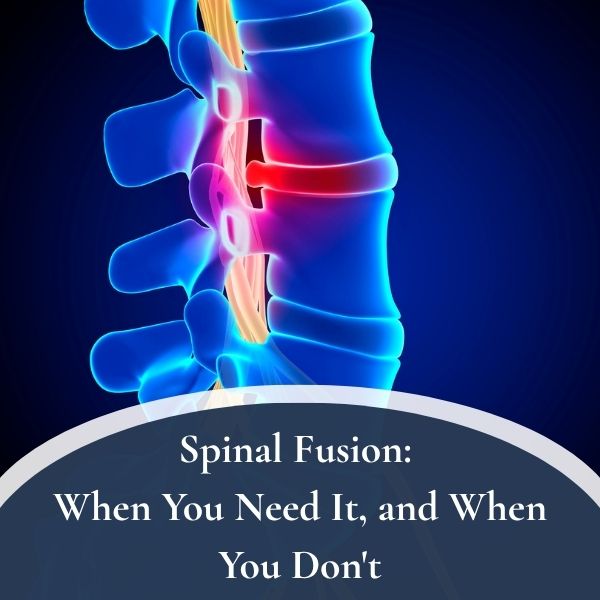
Spinal Fusion: When You Need It, and When You Don’t
A woman in her late fifties sits down in my office and puts a folder on the desk between us.
Talk it through with Dr. Missios.
New diagnosis, second opinion or referral: we will get you seen quickly and walk you through each step.
380 Montauk Highway, West Islip, NY 11795Directions →
48 Route 25A, Suite 302, Smithtown, NY 11787Directions →
111 Beach Drive, West Islip, NY 11795Directions →