Spinal Stenosis

Spinal stenosis is a condition characterized by the narrowing of the spinal canal, which can put pressure on the spinal cord and nerves. This narrowing can occur in the neck (cervical spine) or lower back (lumbar spine) and may lead to symptoms such as pain, numbness, weakness, or tingling sensations in the back, legs, or arms.
Treatment options for spinal stenosis depend on the severity of symptoms and may include:
- Medications: Over-the-counter pain relievers like acetaminophen or nonsteroidal anti-inflammatory drugs (NSAIDs) can help alleviate pain and reduce inflammation. In some cases, prescription medications or muscle relaxants may be necessary for more severe symptoms.
- Therapeutic Exercise: Specific exercises and stretches prescribed by a medical provider can strengthen the muscles supporting the spine, improve flexibility, and alleviate pressure on the spinal cord and nerves.
- Epidural steroid injections: Injections of corticosteroids into the epidural space around the spinal nerves can help reduce inflammation and provide temporary relief from symptoms associated with spinal stenosis.
- Decompression procedures: Minimally invasive procedures such as laminectomy or laminotomy may be performed to relieve pressure on the spinal cord or nerves by removing a portion of the lamina (the bony arch of the vertebra).
- Spinal fusion: In cases where spinal instability is contributing to spinal stenosis, spinal fusion surgery may be recommended to stabilize the spine and prevent further narrowing of the spinal canal.
- Artificial disc replacement: In select cases, artificial discs may be implanted to replace damaged or degenerated discs, preserving motion in the spine while relieving pressure on the spinal cord and nerves.
Treatment for spinal stenosis is often individualized based on factors such as the severity of symptoms, overall health, and personal preferences. A combination of conservative treatments and surgical interventions may be necessary to effectively manage symptoms and improve the quality of life for individuals with spinal stenosis.
Related reading

What Exercises to Avoid With Spinal Stenosis?
Spinal Stenosis occurs when there isn’t enough space inside the backbone.
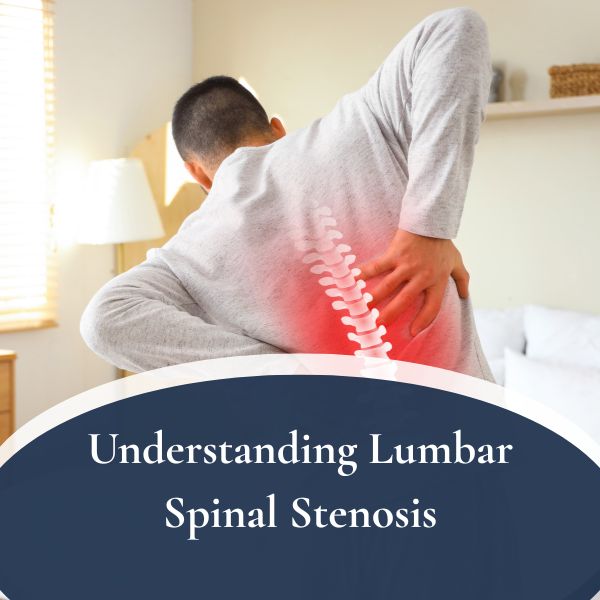
Lumbar Spinal Stenosis
Lumbar spinal stenosis is a common condition that affects the spinal canal in the lower back.
Talk it through with Dr. Missios.
New diagnosis, second opinion or referral: we will get you seen quickly and walk you through each step.
380 Montauk Highway, West Islip, NY 11795Directions →
48 Route 25A, Suite 302, Smithtown, NY 11787Directions →
111 Beach Drive, West Islip, NY 11795Directions →