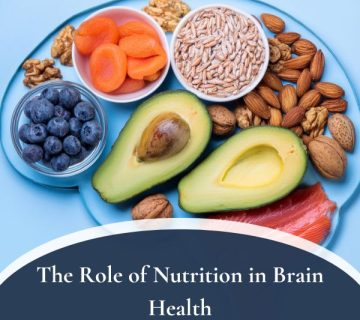
The Role of Nutrition in Brain Health: Foods That Fuel Your Mind As a neurosurgeon, I often see patients when neurological problems have already reached a critical point—brain tumors, spinal cord compression, stroke, or degenerative disease. While surgery and medical...
A “Slow” Brain Bleed (A Neurosurgeon’s Friendly Guide) If you spend time in any neurosurgery clinic—or with a loved one in their 60s, 70s, or beyond—you’ll hear the phrase “subdural hematoma” more often than you’d expect. It sounds dramatic, and it can be. But it’s...
Back Pain: When to See a Neurosurgeon vs. a Chiropractor or Physical Therapist Back pain has a knack for striking at the most inconvenient moments—right before a long-awaited vacation, after hoisting that “not-so-heavy” box during a move, or the morning...
How to Tell the Difference (A Neurosurgeon’s Friendly Guide) Most of us meet back pain the way we meet a rainy Monday—uninvited, inconvenient, and somehow perfectly timed with the rest of life. For many people it’s a sore, stiff lower back after lifting a suitcase or...
Imagine you’re watching your kid’s soccer game, and they take a hard hit to the head. They seem okay but complain of a headache later. Or maybe you slip on ice, hit your head, and feel foggy for days. These could be signs of a concussion or even a traumatic brain...
Navigating the Brain with Precision Consider the challenge of traversing an unfamiliar city without a map—relying solely on intuition to avoid dead ends and critical intersections. Now envision that city as the human brain, where I, as a neurosurgeon, must navigate...