As a neurosurgeon, I often see patients when neurological problems have already reached a critical point—brain tumors, spinal cord compression, stroke, or degenerative disease. While surgery and medical treatment are essential in these situations, one reality becomes increasingly clear over time: many aspects of brain health are shaped long before symptoms appear.
Among the most powerful influences on long-term neurological health is nutrition. What we eat affects how our brain develops, how it functions day to day, and how well it resists aging and disease. Research now shows that diet plays a meaningful role in memory, focus, mood regulation, inflammation, and even the risk of neurodegenerative conditions.
In this article, we’ll explore how nutrition supports brain health, break down the key nutrients your brain depends on, review evidence-based dietary patterns that protect cognitive function, and offer practical meal ideas that can be incorporated into everyday life.
Why Nutrition Matters for the Brain
The human brain is one of the most metabolically active organs in the body. Despite accounting for only about 2% of total body weight, it consumes roughly 20% of the body’s energy. This energy demand reflects the brain’s constant activity—maintaining electrical signaling, synthesizing neurotransmitters, repairing cells, and responding to environmental stimuli.
But calories alone are not enough. The brain relies on a steady supply of specific nutrients to:
- Build and maintain neuronal cell membranes
- Produce neurotransmitters such as serotonin and dopamine
- Protect against oxidative stress
- Regulate inflammation
- Preserve blood flow and oxygen delivery
When nutrition is poor, these systems suffer. Chronic inflammation increases, synaptic communication becomes less efficient, and the brain becomes more vulnerable to injury and degeneration. Over time, this can contribute to cognitive decline, mood disorders, and increased risk of conditions such as dementia and stroke.
Key Nutrients That Support Brain Function
Omega-3 Fatty Acids: Structural Support for the Brain
Omega-3 fatty acids—particularly DHA (docosahexaenoic acid) and EPA (eicosapentaenoic acid)—are essential for brain health. These fats are major structural components of neuronal membranes and play a critical role in communication between brain cells.
DHA is especially important, making up a substantial portion of the brain’s fatty acid content. It supports neuroplasticity, the brain’s ability to form new connections and adapt over time. Low omega-3 intake has been associated with cognitive impairment, mood disorders, and increased neuroinflammation.
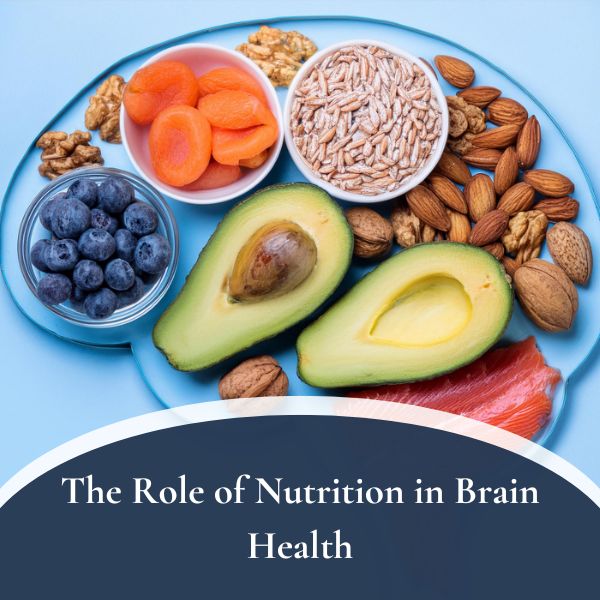
Best dietary sources include fatty fish such as salmon, sardines, and mackerel. For those who follow a plant-based diet, flaxseeds, chia seeds, and walnuts provide alpha-linolenic acid (ALA), which the body can partially convert to DHA and EPA.
Antioxidants: Protecting the Brain From Oxidative Stress
The brain is particularly vulnerable to oxidative damage due to its high oxygen consumption and fat-rich structure. Free radicals—byproducts of normal cellular metabolism—can damage neurons if they are not neutralized.
Antioxidants help protect brain cells by reducing this oxidative stress. Vitamins C and E, along with plant compounds such as flavonoids and polyphenols, play an important role in preserving neuronal integrity.
Foods rich in antioxidants have been associated with improved memory, better cerebral blood flow, and slower cognitive aging. Berries, especially blueberries, are frequently highlighted for their potential brain-protective effects. Dark chocolate and green tea also contain flavonoids that support brain circulation and cellular health.
B Vitamins: Energy, Neurotransmitters, and Vascular Health
B vitamins are essential for brain metabolism and neurotransmitter synthesis. Vitamins B6, B9 (folate), and B12 are particularly important because they help regulate homocysteine levels. Elevated homocysteine is associated with increased risk of stroke, vascular dementia, and cognitive decline.
Vitamin B12 deficiency is especially common in older adults and can lead to neurological symptoms such as memory problems, fatigue, numbness, and difficulty concentrating. Adequate intake of B vitamins supports both brain energy production and vascular health.
Good dietary sources include leafy green vegetables, eggs, legumes, whole grains, and fortified foods.
Vitamin D: An Often Overlooked Brain Nutrient
Vitamin D is best known for its role in bone health, but it also plays a meaningful role in the nervous system. It helps regulate inflammation, supports immune function within the brain, and contributes to calcium balance in neurons.
Low vitamin D levels have been associated with depression, cognitive impairment, and certain neurological disorders. While sun exposure remains the most efficient way to maintain vitamin D levels, dietary sources such as fatty fish, fortified dairy products, and mushrooms can also contribute.
Essential Minerals: Magnesium, Zinc, and Iron
Several minerals are critical for proper neurological function. Magnesium helps regulate neurotransmitter release and protects against excessive neuronal excitation. Zinc supports synaptic plasticity and plays a role in memory formation, particularly in the hippocampus. Iron is essential for oxygen delivery to brain tissue, and deficiency can impair cognitive performance and attention.
Even mild deficiencies in these minerals can subtly affect concentration, energy levels, and mental clarity.
Brain-Healthy Dietary Patterns
While individual nutrients are important, research increasingly supports the idea that overall dietary patterns matter more than isolated components.
The Mediterranean Diet
The Mediterranean diet is one of the most extensively studied eating patterns for brain and heart health. It emphasizes fruits, vegetables, whole grains, legumes, olive oil, fish, and nuts while limiting processed foods and added sugars.
This diet is associated with reduced inflammation, improved blood vessel function, and lower risk of cognitive decline. Its benefits appear to stem from a combination of healthy fats, antioxidants, and fiber-rich plant foods.
The MIND Diet
The MIND diet combines elements of the Mediterranean and DASH diets and was specifically designed to protect against neurodegenerative disease. It places special emphasis on leafy greens, berries, nuts, fish, and olive oil while minimizing fried foods, pastries, and sweets.
Studies have shown that strong adherence to the MIND diet is associated with a significantly lower risk of Alzheimer’s disease, even when started later in life.
Ketogenic Diet and Intermittent Fasting: Selective Approaches
More specialized approaches, such as the ketogenic diet, have long been used in the treatment of medication-resistant epilepsy and may offer benefits in select neurological conditions. By shifting the brain’s fuel source from glucose to ketones, this diet may help support brain energy metabolism in certain cases. However, it is not appropriate for everyone and should be pursued only under medical supervision.
Intermittent fasting has also gained attention for its potential effects on brain health, possibly through enhanced cellular repair processes and increased production of brain-derived neurotrophic factor (BDNF). While research is ongoing, early data suggest potential cognitive benefits.
Practical Meal Ideas to Support Brain Health
Supporting brain health does not require complex meal plans or extreme dietary changes. Small, consistent choices often have the greatest impact.
A brain-supportive breakfast might include a smoothie made with leafy greens, berries, Greek yogurt, and ground flaxseeds. This combination provides antioxidants, omega-3s, protein, and sustained energy.
Lunch could center around a Mediterranean-style salad with mixed greens, grilled salmon, olive oil, vegetables, and whole grains such as quinoa. This type of meal supports anti-inflammatory pathways and provides essential fatty acids for neuronal health.
For snacks, foods that combine protein and healthy fats—such as nuts, yogurt, or apple slices with nut butter—help maintain stable blood sugar levels and prevent cognitive dips.
Dinner options might include roasted vegetables with olive oil, lean protein such as fish or poultry, and whole grains. Vegetarian options such as lentil stews with leafy greens and spices like turmeric can also provide iron, folate, and anti-inflammatory compounds.
Hydration is equally important. Even mild dehydration can impair attention and short-term memory, making regular fluid intake essential for cognitive performance.
Supplements: Helpful but Not a Substitute for Food
Supplements can be useful when deficiencies are present, but they should not replace a balanced diet. Whole foods provide nutrients in combinations that work synergistically, enhancing absorption and effectiveness.
Anyone considering supplements—particularly omega-3s, vitamin D, or B vitamins—should do so thoughtfully and ideally in consultation with a healthcare professional, especially if neurological symptoms or medications are involved.
Final Thoughts: Fueling the Brain for the Long Term
Brain health is shaped over decades, not days. While no single food or diet can prevent every neurological condition, consistent attention to nutrition can meaningfully support cognitive resilience, mental clarity, and long-term neurological function.
By prioritizing whole foods rich in healthy fats, antioxidants, vitamins, and minerals—and by following evidence-based dietary patterns such as the Mediterranean or MIND diet—you invest in your brain’s future.
As we live longer, maintaining mental sharpness and independence becomes just as important as extending lifespan. Nutrition is one of the most powerful tools we have to support that goal, and it starts with what we choose to eat every day.
If you are experiencing neurological symptoms, dietary changes should complement—not replace—professional medical evaluation. Prevention is powerful, but early intervention remains essential.