Endovascular · Condition
Acute Ischemic Stroke

- A stroke caused by a blood clot blocking an artery to the brain, cutting off oxygen to brain tissue
- Symptoms begin suddenly: facial droop, arm or leg weakness, slurred speech, vision loss, or trouble understanding — call 911 immediately, as every minute counts
- Mechanical thrombectomy is a minimally invasive procedure that physically removes the clot from a large blocked artery using a catheter threaded from the wrist or groin
- When performed promptly, thrombectomy dramatically improves the chance of independent recovery compared with medication alone
- Treatment is delivered at Good Samaritan University Hospital, the only Joint Commission Certified Comprehensive Stroke Center on Long Island’s South Shore
- A 24-hour on-call team allows stroke patients to be treated at any hour, every day of the year
From the blog
Related reading
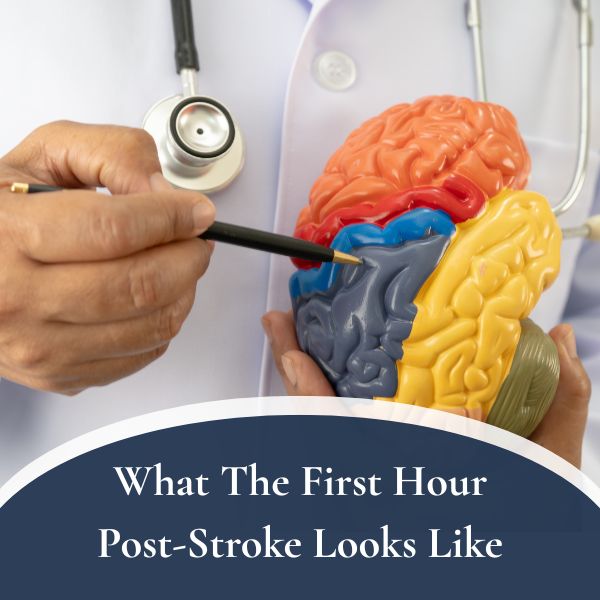
Time Is Brain: What the First Hours After a Stroke Actually Look Like
A man in his late sixties is brought into the emergency room by his daughter.
What Should You Avoid After A Tia Stroke?
A transient ischemic attack (TIA), often called a mini-stroke, is a serious warning sign that should not be taken lightly.
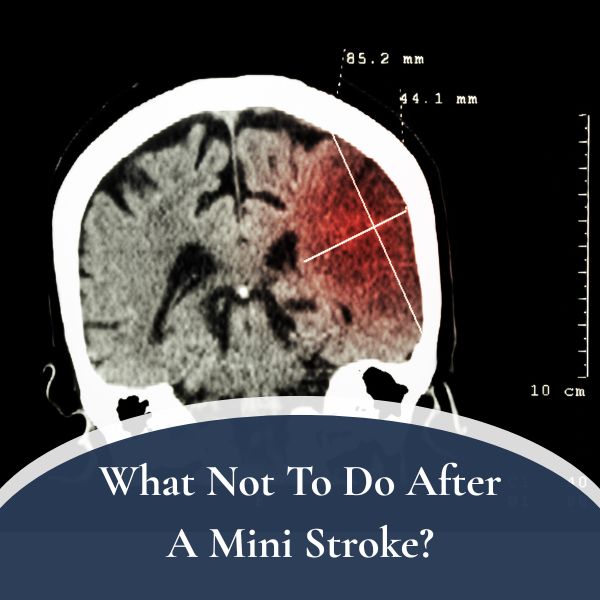
What Not To Do After A Mini Stroke?
Experiencing a mini-stroke, or transient ischemic attack (TIA), is a crucial warning sign that demands immediate attention.
Request a consultation
Talk it through with Dr. Missios.
New diagnosis, second opinion or referral: we will get you seen quickly and walk you through each step.
West IslipLong Island Brain & Spine
380 Montauk Highway, West Islip, NY 11795Directions →
380 Montauk Highway, West Islip, NY 11795Directions →
SmithtownSt. Catherine of Siena Medical Building
48 Route 25A, Suite 302, Smithtown, NY 11787Directions →
48 Route 25A, Suite 302, Smithtown, NY 11787Directions →
West IslipThe Cancer Institute at Good Samaritan
111 Beach Drive, West Islip, NY 11795Directions →
111 Beach Drive, West Islip, NY 11795Directions →