Brain Tumor Treatment: Understanding Brain Tumor Care, Brain Cancer, and the Best Cancer Treatment Options
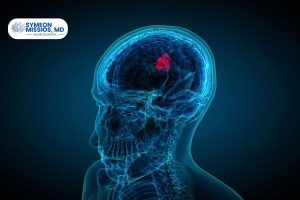
Receiving a brain tumor diagnosis can feel overwhelming, but advances in medicine have significantly improved the treatment of many brain conditions. Today, patients have access to highly specialized brain tumor treatment options that combine surgery, medication, radiation, and innovative therapies to improve outcomes and quality of life.
This guide explores the treatment of brain tumors, explains how specialists determine the most appropriate cancer treatment, and discusses what patients can expect before, during, and after care. Whether you’ve recently been diagnosed or are researching options for a loved one, this article provides practical, medically accurate information to help you better understand modern treatment approaches.
What Is a Brain Tumor and How Is It Diagnosed?
A brain tumor is an abnormal growth of cells that develops within the brain or nearby structures. Some tumors are benign, while others are malignant and require prompt medical attention. Because the brain controls every function of the body, even noncancerous tumors may cause significant symptoms depending on the location of the tumor and the areas of the brain involved.
Diagnosis begins with a detailed neurological examination followed by advanced imaging studies such as MRI or CT scans. These tests help physicians evaluate the size and location of the mass and determine whether additional testing is needed. In some cases, a biopsy is performed so specialists can identify the type of tumor by examining the brain tissue under a microscope.
Understanding the exact type of brain tumor is one of the most important steps in creating an effective treatment plan. Doctors also evaluate the patient’s age, overall health, symptoms, and whether the tumor affects the central nervous system before recommending treatment.
What Are the Different Types of Brain Tumors?
There are many types of brain tumors, each with unique characteristics and treatment recommendations. Tumors may begin within the brain itself or spread there
from another part of the body. Some remain slow-growing for years, while others are aggressive malignant brain tumors that require immediate intervention.
One well-known example is glioblastoma, an aggressive form of brain cancer that often requires multiple forms of therapy. Other tumors may arise from the membranes surrounding the brain, nerves, or supporting cells. Determining whether a tumor is benign, malignant brain, or another classification helps physicians predict its behavior.
Doctors consider several factors, including the type of tumor, its genetic characteristics, and its expected growth pattern before recommending care. These factors depend on many variables and influence both prognosis and long-term management.
What Brain Tumor Treatment Options Are Available?
Modern brain tumor care has evolved tremendously over the past decade. Today, physicians use a variety of treatment options that may include surgery, medication, focused radiation, or advanced drug therapies. The most appropriate treatment for a brain tumor depends on the patient’s condition and the characteristics of the tumor itself.
Every personalized treatment plan is developed after reviewing diagnostic results, symptoms, and overall medical history. In many cases, treatment may include surgery, medication, or specialized radiation techniques. Physicians carefully balance the need to remove or control the tumor while protecting healthy brain tissue and preserving neurological function.
Importantly, brain tumor treatment may involve more than one approach. Different forms of therapy are frequently often used in combination to maximize effectiveness while reducing the risk of recurrence.
Is Brain Tumor Surgery the Best Treatment?
For many patients, brain tumor surgery remains the main treatment because it allows doctors to remove as much tumor as safely possible. In fact, surgery is the most common approach for many newly diagnosed tumors, particularly when they can be reached without causing unnecessary damage to critical brain structures.
During brain surgery, a skilled neurosurgeon carefully creates a small incision in the skull. A section of bone may be temporarily removed to access the brain, allowing the surgeon to safely enter the brain and remove abnormal tissue. Modern neurosurgery frequently incorporates intraoperative imaging and mapping technologies to improve precision.
Some procedures use awake brain surgery when tumors are located near speech or movement centers. This allows surgeons to monitor important neurological functions throughout the operation while protecting normal brain function and minimizing injury to surrounding healthy tissue.
How Do Radiation Therapy and Chemotherapy Help Treat Brain Tumors?
When surgery alone cannot eliminate every tumor cell, additional therapy is often recommended. Radiation therapy is commonly used after surgery or when surgery is not possible. This common treatment for brain tumors delivers carefully controlled doses of radiation to target remaining abnormal cells while limiting exposure to healthy tissue.
Modern radiation therapy for brain tumors includes several highly precise techniques. Radiation therapy uses high-energy beams to destroy cancer cells, and one advanced form of radiation therapy is stereotactic radiosurgery. Despite its name, this procedure does not involve an operation. Instead, technologies such as Gamma Knife radiosurgery deliver focused treatment with remarkable accuracy, helping reduce damage to surrounding structures and limiting damage to healthy brain tissue.
Another important option is chemotherapy, which uses medications to kill or slow the growth of cancer cells. Some drugs are given orally, while others are delivered intravenously. Depending on the diagnosis, chemotherapy may be used to treat tumors after surgery or alongside radiation therapy. In certain situations, physicians may also recommend proton therapy, a specialized type of radiation designed to better protect nearby healthy structures.
When Are Targeted Therapies, Immunotherapy, and Clinical Trials Recommended?
Not every brain tumor responds to conventional treatments in the same way. Advances in precision medicine have introduced targeted therapies, which are designed to attack specific genetic or molecular changes within tumor cells while limiting effects on normal cells. These medications represent a promising novel treatment option for selected patients and may be recommended based on specialized laboratory testing.
Researchers are also studying immunotherapy, which helps the body’s immune system recognize and fight cancer cells. While immunotherapy has transformed the treatment of several cancers, its role in treating brain cancer continues to evolve. For certain patients, participation in a clinical trial provides access to emerging therapies that are not yet widely available.
A clinical trial is carefully regulated and follows strict safety standards. Patients considering enrollment should discuss the potential benefits and risks with their physician to determine whether an investigational treatment is appropriate for their specific diagnosis.
What Happens During Recovery and Follow-Up Care?
Recovery after treatment varies depending on the patient’s age, overall condition, and the therapy received. Some individuals recover quickly after surgery, while others require rehabilitation to regain speech, strength, balance, or coordination. A comprehensive care team may include neurologists, rehabilitation specialists, physical therapists, occupational therapists, and speech-language pathologists.
Regular follow-up care is essential after treatment. Physicians schedule periodic neurological examinations and repeat imaging studies to monitor healing and detect any signs of recurrence as early as possible. These appointments also help manage medication adjustments and address any new symptoms.
Many brain tumor survivors gradually return to work and resume their normal routines, although recovery timelines differ for each individual. Ongoing communication with healthcare providers helps ensure long-term health and quality of life.
Can Non-Surgical Treatments Be Effective for Brain Tumors?
Although surgery is frequently recommended, non-surgical treatments may be appropriate for certain patients. Individuals with small, slow-growing tumors, tumors located in difficult-to-reach areas, or those who are not candidates for surgery may benefit from alternative approaches.
Depending on the diagnosis, physicians may recommend surgery or radiation, medication, observation, or surgery or radiation therapy combined with systemic drugs. The best approach depends on the tumor’s characteristics, the patient’s symptoms, and overall medical condition.
Many treatment strategies involve treatment using multiple methods to provide the best possible outcome. Physicians carefully evaluate each patient’s unique situation before recommending a specific course of action.
Why Does a Multidisciplinary Cancer Center Improve Brain Tumor Care?
Managing a brain tumor often requires expertise from several medical specialties. A multidisciplinary approach brings together neurosurgeons, neuro-oncologists, radiation oncologists, neuroradiologists, pathologists, and rehabilitation professionals to coordinate every aspect of care.
Receiving treatment at a specialized brain tumor center, cancer center, or academic cancer institute gives patients access to advanced technology, experienced specialists, and comprehensive cancer care. Collaboration among experts helps ensure that every recommendation is based on the latest medical evidence and tailored to the patient’s individual needs.
Complex cases may also benefit from consultation with nationally recognized institutions, including Johns Hopkins Medicine, particularly when seeking a second opinion or exploring advanced treatment options.
What Should Patients Know Before Choosing a Brain Tumor Center?
Choosing where to receive treatment is an important decision. Patients should look for an experienced neurosurgeon and a center with expertise in neurosurgical procedures, advanced imaging, and comprehensive rehabilitation services. Facilities that routinely care for patients with brain tumors are often better equipped to manage both routine and complex cases.
When discussing treatment, ask how recommendations are made, whether minimally invasive techniques are available, and if the team offers access to a clinical trial when appropriate. It’s also helpful to understand whether specialized procedures such as stereotactic treatments or advanced radiosurgery are available.
Ultimately, the best treatment is one that reflects each patient’s diagnosis, goals, and medical condition. Open communication with your physicians can help you make informed decisions and feel confident about your care.
Talk it through with Dr. Missios.
New diagnosis, second opinion or referral: we will get you seen quickly and walk you through each step.
380 Montauk Highway, West Islip, NY 11795Directions →
48 Route 25A, Suite 302, Smithtown, NY 11787Directions →
111 Beach Drive, West Islip, NY 11795Directions →